
Sensor Reliability Standards for High-Traffic Public Restrooms
In stadiums, arenas, theaters, transportation hubs, universities, civic buildings, and other high-traffic venues, sensor reliability is an operations issue as much as a plumbing specification issue. Dependable activation and shutoff reduce guest complaints, unnecessary maintenance calls, water waste, fixture closures, and the disruption caused when restroom capacity drops during peak demand.
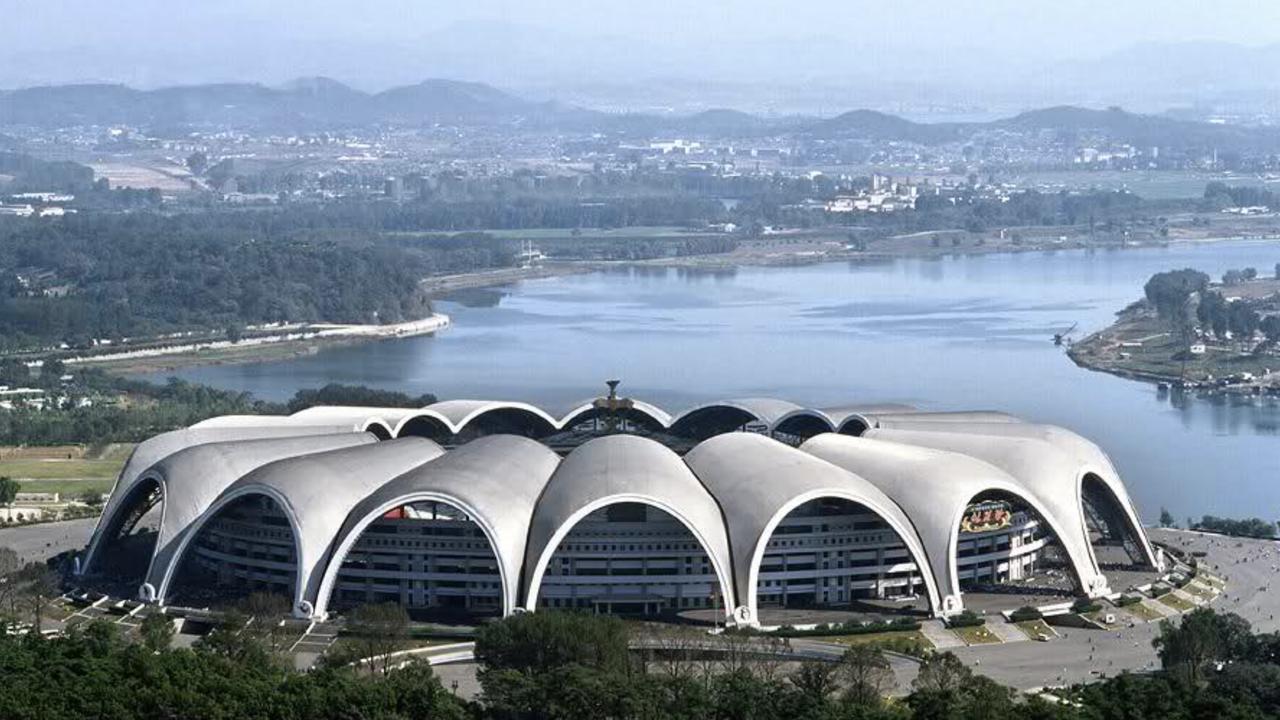
Stadium Operations Context
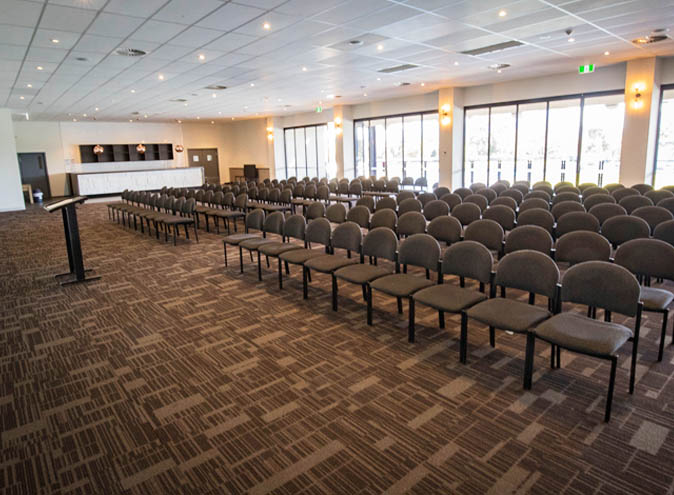
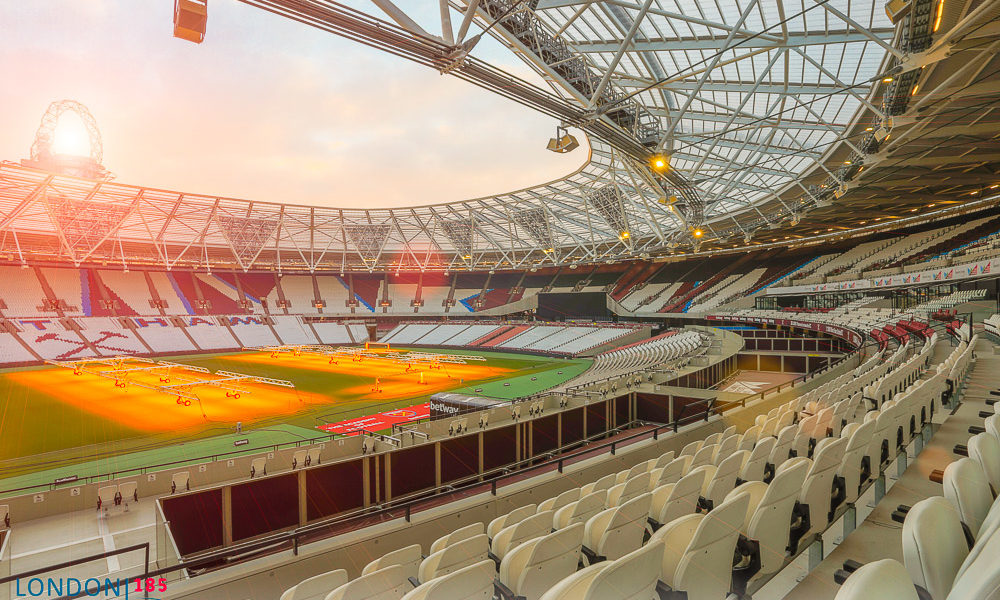
The stadium images below are used as public-assembly context: these buildings illustrate the crowd surges, circulation pressures, and maintenance consequences that make dependable restroom sensing a system-level AEC requirement.

Reliability Is a System Requirement, Not a Single Sensor Specification
There is no single building-code line item that can guarantee a touchless faucet will be “reliable” in every restroom. AEC teams should instead define reliability as a coordinated performance outcome across the faucet fitting, sensing technology, valve or solenoid, electrical source, flow control, basin geometry, mounting condition, water quality, maintenance access, commissioning settings, and owner procedures. If any one of those layers is poorly coordinated, the user experiences the result as a sensor problem even when the sensor itself is operating correctly.
For high-traffic public restrooms, the specification should therefore move beyond general language such as “electronic faucet” or “touchless faucet.” It should require conformance with the applicable plumbing supply fitting standard, documented power and installation requirements, accessible service components, field commissioning, and acceptance testing using the actual basin, lighting, mirror conditions, water pressure, and user approach expected in the finished room.
Detection repeatability
The fixture should recognize normal hand approaches quickly and consistently without requiring users to hunt for the activation zone.
False-activation control
Reflections, glossy basins, mirrors, moving objects, cleaning activity, or adjacent fixtures should not create nuisance starts that waste water or trigger complaints.
Shutoff certainty
Water should stop promptly after hands leave the sensing zone, limiting uncontrolled run time and reducing the chance that staff interpret normal behavior as a valve fault.
Power continuity
Hardwired, battery, or hybrid power should match the owner’s maintenance model, access conditions, and outage strategy rather than being selected only by first cost.
Hydraulic stability
Pressure, filtration, flow control, aerator condition, temperature strategy, and debris management influence perceived fixture performance and service frequency.
Serviceability
Technicians should reach controls, valves, strainers, batteries, transformers, and connections without removing permanent finishes or shutting down unrelated stations.
Standards and Compliance Layers AEC Teams Should Separate
Reliability decisions are stronger when the project team distinguishes product compliance from project-specific operational criteria. ASME A112.18.1/CSA B125.1 covers plumbing supply fittings, including lavatory fittings and performance requirements such as flow and lifecycle testing. For electronic faucets, the project should verify the exact certification and edition stated in the approved submittal rather than assuming that every automatic fixture carries the same third-party listing.
Accessibility is a separate layer. Under the ADA Standards, faucet controls at accessible lavatories must comply with the operable-part requirements, and the U.S. Access Board specifically recognizes motion-activated or touch-free faucets as an accessible control approach. Material safety is another layer: NSF/ANSI/CAN 61 addresses health-effects requirements for drinking-water system components, while lead-content requirements should be checked through the applicable product certification and local code framework.
Water-efficiency requirements must also be matched to the actual occupancy. EPA WaterSense materials distinguish private lavatory faucets from public lavatory faucets; public-use lavatory faucets are not automatically covered by the same WaterSense labeling scope used for private-use bathroom faucets. On public projects, the design team should confirm the governing plumbing code, owner criteria, local water-conservation requirements, specified flow rate, and any project sustainability target rather than relying on a generic “WaterSense” note.
| Review layer | What it establishes | Reliability implication | AEC action |
|---|---|---|---|
| ASME A112.18.1 / CSA B125.1 | Plumbing supply fitting performance framework. | Provides a baseline for product performance and lifecycle testing. | Require evidence of applicable product certification and edition in submittals. |
| ADA / accessible design | Accessible lavatory, reach, clearance, and operable-part requirements. | Ensures the sensor and fixture arrangement is usable by a broader range of users. | Test activation from standing and accessible approach positions. |
| NSF/ANSI/CAN 61 and lead-content criteria | Material health-effects and potable-water compliance pathways. | Helps prevent substitutions that meet appearance goals but not material requirements. | Verify certifications for the exact model and wetted configuration. |
| Project flow requirements | Water-delivery target based on code, owner standards, and sustainability goals. | Too little flow can increase wash time and complaints; too much flow increases splash and consumption. | Commission with the actual basin and representative pressure. |
| Owner reliability criteria | Response time, false activation tolerance, service access, spare parts, and isolation strategy. | Converts “reliability” into measurable acceptance conditions. | Write owner criteria into Division 22 and commissioning documents. |

Why High-Traffic Venues Expose Sensor Weaknesses Faster
Public restrooms in stadiums and entertainment venues experience compressed traffic waves rather than a smooth daily use curve. Hundreds of users may approach identical fixtures within minutes during halftime, intermission, inning breaks, concert changeovers, or post-event exits. Under those conditions, a one-second hesitation, a narrow sensing envelope, or a station that intermittently fails to activate can create visible queues and repeated guest attempts. The same problem in a quiet office may generate one work order; in a stadium it can generate dozens of complaints in a single event.
Reliability also affects cleaning and reset operations. If custodial activity repeatedly triggers faucets, water is wasted and counters remain wet. If the sensing field is too short, cleaners may report the faucet as defective. If a battery compartment or solenoid is difficult to reach, a simple component change becomes a prolonged closure. High-traffic reliability therefore depends on eliminating avoidable friction for both the public and the maintenance team.
Venue operators should also plan for partial failure. A resilient restroom bank does not depend on one transformer, one inaccessible shutoff, or one control point that can remove every lavatory from service. Logical isolation, distributed power where appropriate, labeled components, standardized fixture families, and critical spare parts allow the facility team to restore capacity quickly while keeping most stations open.
Sensor Technology Should Be Matched to the Physical Restroom
Specification language should avoid treating every infrared, time-of-flight, or other electronic sensing approach as interchangeable. What matters to the project is predictable detection within the intended handwashing zone and resistance to nuisance triggers outside it. The basin shape, spout projection, backsplash, mirror location, surface reflectivity, nearby dispensers, lighting conditions, and user approach all affect the completed installation.
For that reason, the most useful reliability metric is field repeatability. During commissioning, technicians should make repeated hand approaches at normal speed from the front and sides of the basin, include both standing and accessible user positions, allow water to run in the basin, and observe whether reflections or moving water affect activation. The same test should be repeated across representative fixtures, not only the first faucet installed.
Where adjustable detection range is available, the final accepted setting should be documented. That prevents a future technician from “fixing” a complaint by extending the sensor range until nuisance activation begins. Commissioning records should identify the accepted setting, power source, flow device, temperature configuration, and any site-specific adjustment made to suit the sink geometry.
Power Strategy Has a Direct Effect on Perceived Reliability
Battery, hardwired AC, and hybrid arrangements can all be appropriate, but each produces a different maintenance profile. Battery systems reduce electrical rough-in but require a disciplined replacement strategy, accessible compartments, and accurate asset records. Hardwired systems reduce battery handling but create dependence on transformer location, circuit labeling, low-voltage routing, and access to the power supply. Hybrid designs can provide useful resilience where the approved product architecture supports both sources.
For large restroom programs, power planning should be organized by zone. Engineers should identify which fixtures share transformers or circuits, how power is isolated for service, how a failed supply affects adjacent stations, and whether the owner can reach the control components without removing casework. Electrical drawings and plumbing fixture schedules should use consistent identifiers so maintenance teams do not have to trace wiring during an event.
Closeout documentation should record power type, transformer or control-box location, battery type where applicable, expected service procedure, and reset behavior after an outage. A faucet that needs a simple power reset should not remain out of service because the facility team does not know where its control module is located.
Commissioning Criteria for Sensor Reliability
Commissioning is the point where product compliance becomes project performance. The goal is not simply to confirm that water turns on. The team should verify consistent activation, predictable shutoff, acceptable flow pattern, minimal splash, stable temperature behavior, service access, power continuity, and the absence of false activations under normal lighting and cleaning conditions.
| Field test | Acceptance intent | Why it matters operationally |
|---|---|---|
| Repeated hand approaches | Fixture activates consistently from intended approach positions. | Reduces guest hesitation, repeated gestures, and complaints. |
| Hands removed from zone | Water stops promptly and consistently. | Limits unnecessary run time and wet counters. |
| Adjacent station operation | One user does not trigger another fixture. | Prevents false starts in tightly spaced banks. |
| Lighting and reflections | Normal restroom lighting and reflective finishes do not destabilize sensing. | Reduces nuisance calls after interiors are complete. |
| Actual basin flow pattern | Water lands in the intended basin zone without excessive splash. | Supports user comfort and reduces cleanup labor. |
| Power interruption / restoration | Fixture returns to normal operation according to manufacturer instructions. | Confirms outage recovery before public occupancy. |
| Service demonstration | Staff can isolate and reach sensor, valve, strainer, power, and mixing components. | Shortens mean time to repair. |
| Representative-bank testing | Performance is consistent across multiple installed fixtures. | Finds installation variation before turnover. |


Maintenance Reliability Starts with Access and Standardization
Facility teams usually experience sensor reliability through work orders: no activation, delayed activation, continuous flow, weak flow, short battery life, intermittent operation, or nuisance triggering. The specification can reduce many of these calls before construction by requiring accessible isolation valves, strainers, replaceable control components, labeled power equipment, and a standardized fixture platform across similar restroom zones.
Standardization is especially valuable in venues with dozens or hundreds of wash stations. When the same sensor, solenoid, power module, outlet, and service procedure repeat across multiple rooms, technicians need fewer spare parts and less diagnostic training. Premium club areas may use a different finish or exposed form, but maintaining common internal service logic where feasible can still simplify lifecycle support.
Owners should also define a small stock of critical replacement components at turnover. The exact stock list depends on the selected products, but the objective is simple: a minor electronic or valve issue should not leave a station closed for days while a common part is ordered. Asset records should identify model, room location, power source, commissioning setting, replacement parts, maintenance dates, and the cause of each service event. Over time, that data shows whether problems are product-related, water-quality-related, cleaning-related, or concentrated in a particular restroom configuration.
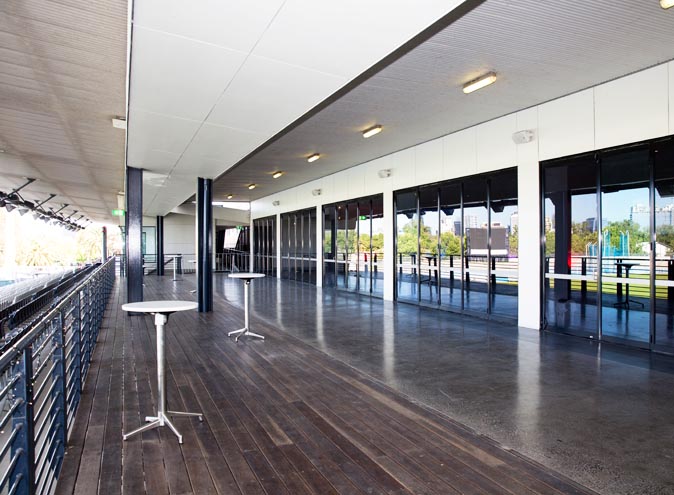
Project References for High-Traffic Touchless Restroom Planning
Real venue references are useful because they frame sensor reliability in the operating conditions AEC teams actually design for: large crowds, repeated wash stations, short maintenance windows, public visibility, and long-term owner expectations.
Fontana Touchless Faucets for the New Las Vegas MLB Stadium
AEC context for a major venue where traffic surges, fixture standardization, hygiene, and serviceability influence restroom planning.
Fontana Chrome Touchless Faucets for Memorial Stadium
Game-day restroom planning reference focused on repeated public use, durable finishes, and consistent touchless activation.
Virginia Architectural Faucets / Wolf Trap Reference
Illustrates the importance of throughput, low-maintenance fixture planning, and architectural integration in performance venues.
Hershey Theater Pennsylvania
Shows how touchless restroom systems can support high-attendance event operations in a landmark architectural setting.

AEC Specification Checklist for Dependable Sensor Performance
- Identify the exact product certification and applicable edition of ASME A112.18.1/CSA B125.1 in the approved submittal.
- Confirm accessible lavatory clearances, reach, faucet operation, and fixture approach under the adopted accessibility requirements.
- Verify NSF/ANSI/CAN 61 and applicable lead-content compliance for the exact wetted product configuration where required.
- Coordinate spout reach, basin depth, drain location, backsplash, mirror position, finish reflectivity, and sensor approach geometry.
- Define acceptable power architecture: battery, hardwired, or hybrid, including access, labeling, circuiting, and outage response.
- Provide service access to the sensor, solenoid or valve, strainer, power source, mixing device, shutoff, and connections.
- Use logical isolation so one service event does not require closure of an entire restroom bank.
- Require pre-commissioning flushing to remove construction debris before electronic valves and outlets are placed into normal operation.
- Test repeated activations and shutoffs under final lighting and with the actual sink, mirror, water pressure, and adjacent fixtures installed.
- Record final sensor settings, power information, flow device, mixing arrangement, replacement parts, and maintenance procedure in closeout documents.
- Standardize fixture families across similar restroom zones where practical to reduce spare-part variety and service training time.
- Provide owner training and a critical spare-parts strategy before the first high-attendance event.
Stadium images on this page are architectural and operational context references from the supplied image set; they do not by themselves represent Fontana installations unless a linked Fontana project page explicitly identifies the project.
Primary Standards and Technical References
- ASME A112.18.1/CSA B125.1 — Plumbing Supply Fittings
- U.S. Access Board — Lavatories, Sinks, Faucets and Operable Parts
- NSF — Faucets and Plumbing Products / NSF/ANSI/CAN 61
- EPA WaterSense — Product Specification Scope
Confirm adopted code editions, local amendments, owner standards, product certifications, and manufacturer installation requirements for the specific project. Public lavatory flow and labeling requirements should not be inferred from private-use faucet criteria without checking the applicable scope.