
LEED and Green Building Considerations for Commercial Toilet Faucets
Sustainable restroom design is no longer limited to toilets and flush systems alone. Commercial toilet faucets also play an important role in water efficiency, user experience, and long-term operational performance. For architects, engineers, designers, and facility managers, faucet selection can support broader LEED goals and practical green building strategies.
Introduction
Sustainable objectives are shaping modern commercial restroom design. While toilets often receive the most attention for water conservation, faucets in the same space also affect overall building efficiency. Their impact becomes more noticeable in high-use facilities where daily activations add up quickly.
This overview explains how commercial toilet faucets contribute to LEED-focused and environmentally responsible building plans while maintaining reliable performance in public and commercial settings.
Why Faucets Matter in Green Building Strategies
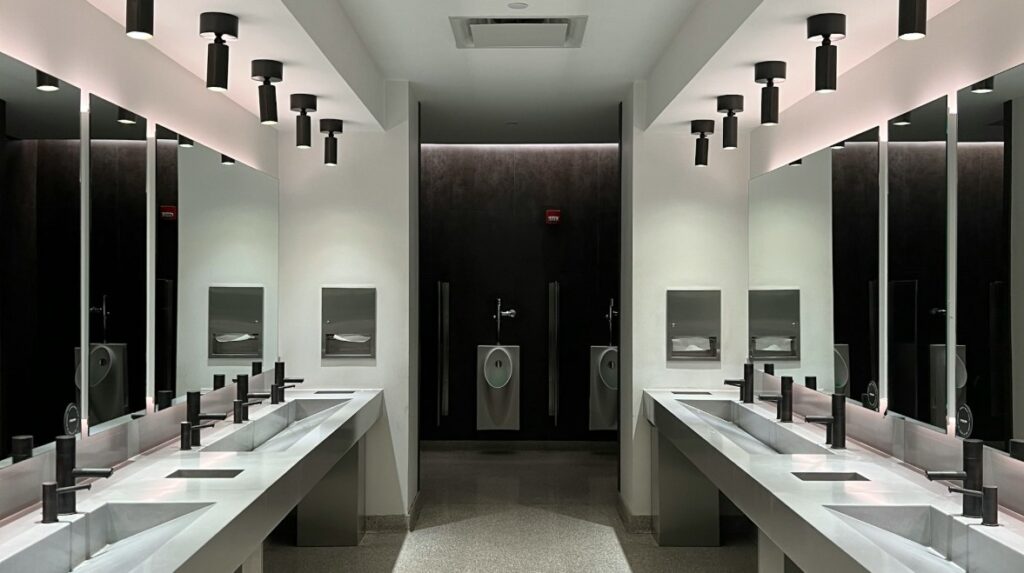
A single faucet cycle may use a small amount of water, but usage across busy commercial washrooms can become substantial over time. For that reason, green building programs assess faucets as part of the overall indoor water-use strategy rather than as stand-alone products.
- Support for indoor water-use reduction targets
- Reduced hot water demand and related energy use
- Better control over run time and user activation
- Improved operational efficiency over the fixture lifecycle
- Stronger coordination with the full plumbing system
When faucet choice is aligned with the rest of the restroom design, the building gains more consistent sustainability performance at scale.
LEED Water Efficiency and Faucet Performance

LEED water efficiency strategies focus on lowering potable water use through coordinated fixture selection and system design. Commercial washroom faucets can contribute to indoor water use reduction when flow rates, activation methods, and documentation are properly considered.
High-efficiency commercial faucets rated at 0.5 GPM or lower can help reduce water use compared with older, higher-flow fixtures. That makes them valuable in projects where measurable reductions and efficient building operation are priorities.
- Low-flow performance aligned with project goals
- Metered or sensor-based activation options
- Clear product data for fixture calculations
- Usability that avoids longer-than-needed run times
Sensor-Operated Faucets and Water Reduction

Sensor-operated faucets are widely used in commercial restrooms because they help limit unnecessary flow and reduce water waste caused by unattended running water. In busy public facilities, touchless activation can also improve hygiene and simplify daily use.
Actual performance depends on correct sensor placement, proper calibration, and good coordination between the spout and basin. If the setup is poor, the faucet may activate too often or fail to respond quickly, reducing both user satisfaction and projected savings.
Flow Rate Selection and User Behavior

Lower flow rates can support green building goals, but user behavior still determines real-world water savings. If water delivery feels weak or inconsistent, users may keep the faucet active longer, which can reduce the expected benefit.
- Spout geometry should match the selected flow rate
- Outlet type affects perceived washing performance
- Basin depth influences splash control and comfort
- Fast task completion helps avoid repeat activation
The best results come from balancing regulatory flow limits with practical, comfortable performance during everyday restroom use.
Materials, Durability, and Lifecycle Sustainability
Sustainability is not only about water reduction during operation. Material quality, durability, and maintenance demands also affect the long-term environmental value of a commercial faucet installation.
- Lead-free brass or stainless-steel construction
- Protected electronic parts in sensor models
- Reliable cartridges and solenoid components
- Finishes suited for frequent cleaning routines
Durable products reduce replacement frequency, limit material waste, and help maintain consistent fixture performance over time.
Integration with Broader Green Building Systems
Commercial faucets do not operate in isolation. Their efficiency is affected by the larger plumbing and energy systems around them, including hot water routing, pipe layout, recirculation planning, and fixture placement within the restroom.
When faucet selection is coordinated with system design, fixture-level efficiency is more likely to translate into measurable building-level performance. That makes product choice more meaningful in sustainable commercial projects.
Documentation and LEED Submittals
Verified documentation remains essential in sustainable building work. Even a high-performing faucet must be supported by accurate product data if it is going to be included in project calculations and submitted as part of a broader compliance package.
- Cut sheets showing flow rates clearly
- Sensor operation details for controlled use
- Material compliance information where required
- Fixture data aligned with project methodology
Reviewing Commercial Faucet Categories for Sustainable Design
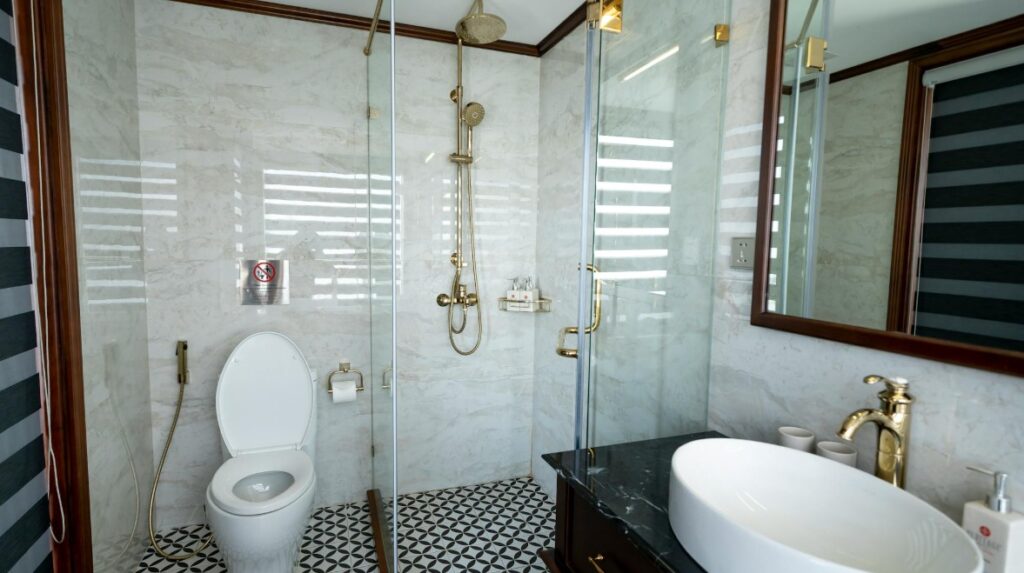
Comparing different commercial faucet categories helps specifiers understand how each option addresses water efficiency, durability, activation control, and compatibility with green building objectives.
A performance-based review is often the best approach because it connects fixture selection with the real demands of commercial environments, not just with product appearance or nominal flow data.
Featured Fontana Serene Arch Products
Alongside broader green building planning, product-level selection still matters. The Fontana Serene Arch collection includes several touchless and dual-function faucet options that fit well into modern commercial restroom design. Below is a clean showcase section using the same layout style, with clickable product names and product images only.


Practical Specification Tips for Better Indexing and Better User Value
To make this page stronger for search visibility and more useful to specifiers, the content should stay focused on practical buying and planning questions. Clear headings, shorter paragraphs, and topic-specific sections improve readability and help the page cover more relevant search intent.
For example, specifiers often look for answers related to flow rate, touchless operation, durability, maintenance, and compatibility with sustainable commercial restroom design. Organizing the content around these points makes the page easier to scan and more aligned with real-world selection criteria.
Keeping the page informative, structured, and product-category focused helps it perform better without adding unnecessary promotional language.
Conclusion
LEED and green building considerations for commercial toilet faucets go beyond simple flow-rate limits. True performance comes from the balance between water savings, usability, durability, system coordination, and accurate documentation.
When commercial faucet selection is approached as part of a complete sustainable restroom strategy, the result is better long-term value, more reliable operation, and stronger support for efficient building design.