
The Importance of Touchless Soap Dispensers in Public Buildings
Public buildings such as airports, hospitals, government offices, and schools require restroom systems that maintain high levels of hygiene. Touchless soap dispensers have become a critical component of modern restroom infrastructure because they minimize user contact with shared surfaces.
How Touchless Soap Dispensers Work
Most automatic dispensers use infrared sensors that detect hand movement. When a hand is placed under the sensor, a small pump activates and releases a measured amount of soap.

Major Industry Brands
- BathSelect
- FontanaShowers
- JunoShowers
- Kohler
- Grohe
- TOTO
- Bobrick
Each manufacturer develops sensor technology designed for high-traffic restroom environments.
Why Touchless Soap Dispensers Matter
In high-traffic buildings, restrooms are used by hundreds or even thousands of people every day. A touchless soap dispenser helps reduce contact with shared surfaces and supports a more hygienic handwashing routine for visitors, employees, patients, students, and guests.
These dispensers also help keep sink areas cleaner by releasing a controlled amount of soap with each use. That can reduce waste, prevent overuse, and make restroom maintenance more manageable in facilities where cleanliness and presentation matter.
Cleaner Restroom Experience
Users can access soap without pressing a pump or touching a lever. This creates a more convenient and hygienic experience, especially in busy public washrooms.
Better Soap Control
Automatic dispensers typically release a measured amount of soap per use. This helps control consumption and can reduce dripping, mess, and unnecessary refills.
Modern Commercial Appeal
Public facilities benefit from fixtures that look updated and perform reliably. Touchless dispensers help create a more modern sink area when paired with sensor faucets and flush systems.
Ideal Applications in Public Buildings
Touchless soap dispensers are commonly used in hospitals, transportation hubs, schools, office buildings, retail centers, stadiums, and government facilities. In these environments, durability, ease of use, and consistent dispensing performance are important for keeping restrooms operational throughout the day.

What Facilities Should Look For
When choosing a dispenser for a public building, it helps to focus on sensor reliability, refill capacity, ease of maintenance, and compatibility with the sink or wall-mounted setup. The right model should support frequent use without creating extra maintenance issues for staff.
In many cases, a well-selected touchless dispenser can improve both hygiene goals and overall restroom efficiency without changing the basic handwashing process for users.
For a detailed analysis of the advantages and disadvantages of automatic dispensers, see: strengths and weaknesses of automatic soap dispensers .
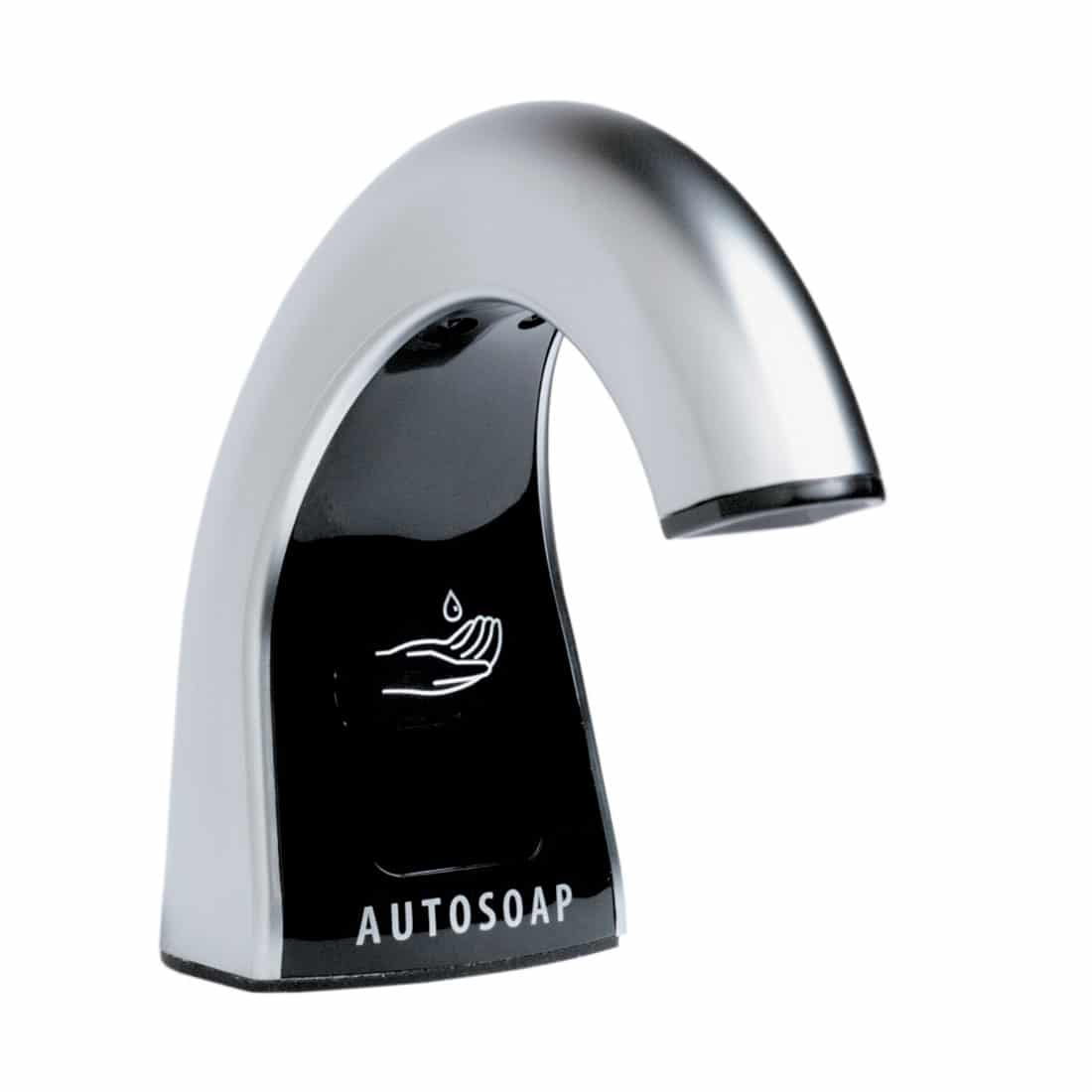
Bobrick Automatic Liquid Soap Dispenser B-826
The Bobrick B-826 automatic soap dispenser supports touch-free dispensing for commercial restrooms where consistent hygiene and easy maintenance are priorities.
View ProductBobrick Soap Dispensers & Faucets
Bobrick soap dispensers and faucet systems support coordinated public washroom design with practical hygiene performance for commercial environments.
View Category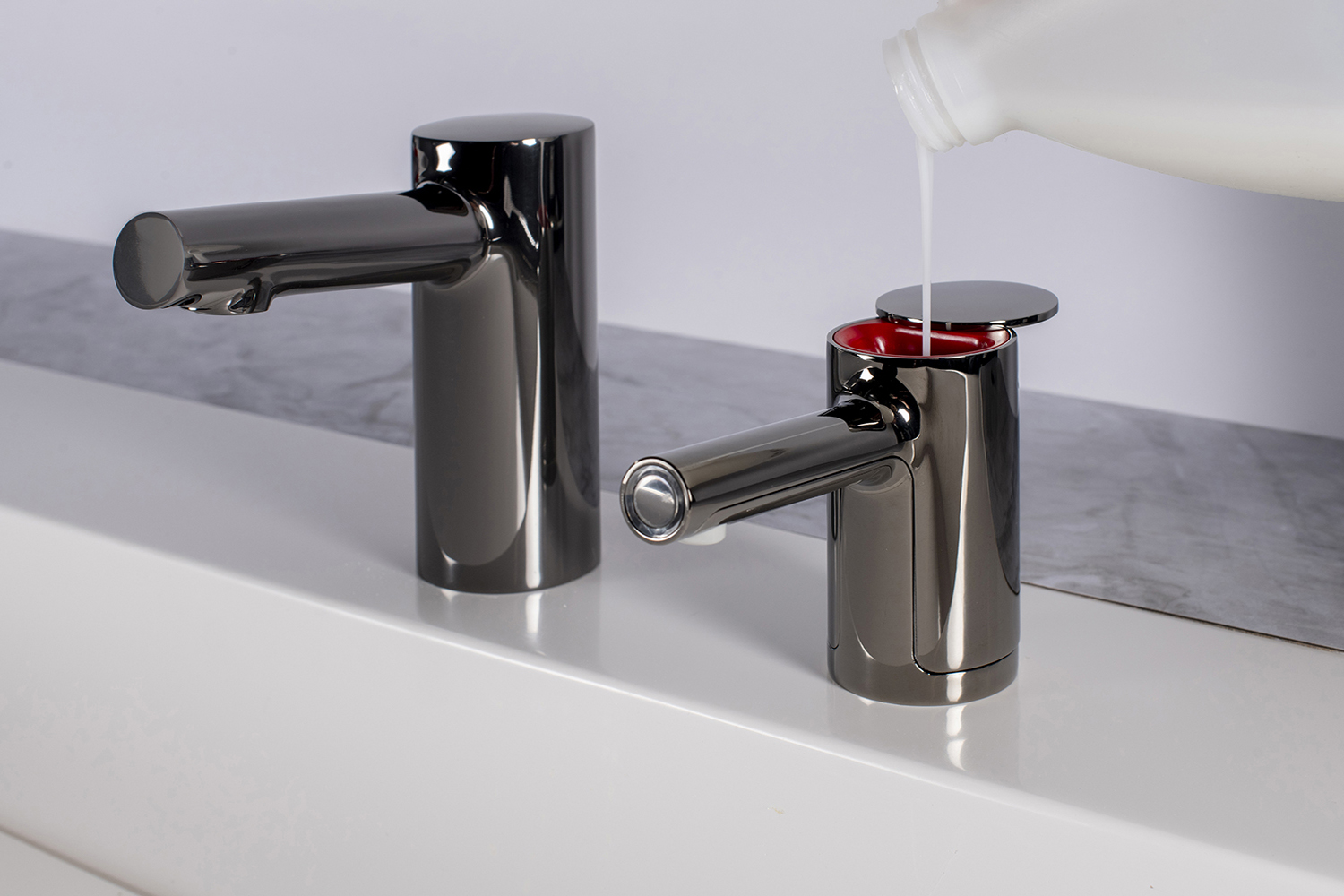
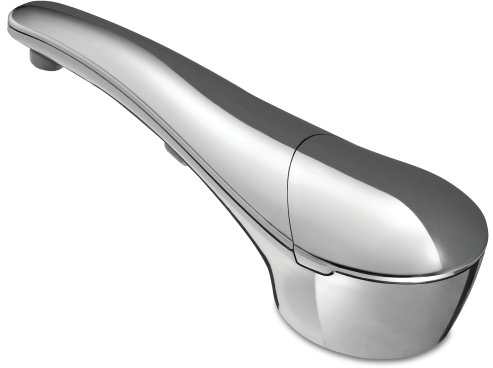
Bobrick SureFlo® Soap Dispensing System
Bobrick SureFlo® is engineered to improve soap delivery reliability and reduce maintenance concerns in busy commercial restroom environments.
Learn More
Fontana Multifeed Soap Dispenser System
The Fontana Multifeed system supports centralized soap management for large-scale restroom projects where reduced refill labor and consistent dispensing matter.
View SystemBrushed Nickel Soap Dispensers for Public Toilets
Brushed nickel soap dispensers deliver a clean commercial appearance while supporting hands-free hygiene in public toilets and high-traffic restrooms.
View Collection
Stern Boreal Soap and Water Duo
The Boreal Duo combines touchless soap and water activation into one coordinated fixture concept for modern commercial restroom environments.
View Product
BathSelect Automatic Sensor Deck-Mount Soap Dispenser
This BathSelect automatic soap dispenser offers hands-free dispensing with a refined deck-mounted profile for commercial and hospitality restroom applications.
View ProductIntegrated Hands-Free Faucet & Soap Dispenser Systems
Integrated hands-free systems combine touchless faucet operation and automatic soap dispensing to support cleaner, more efficient commercial bathrooms.
Read Article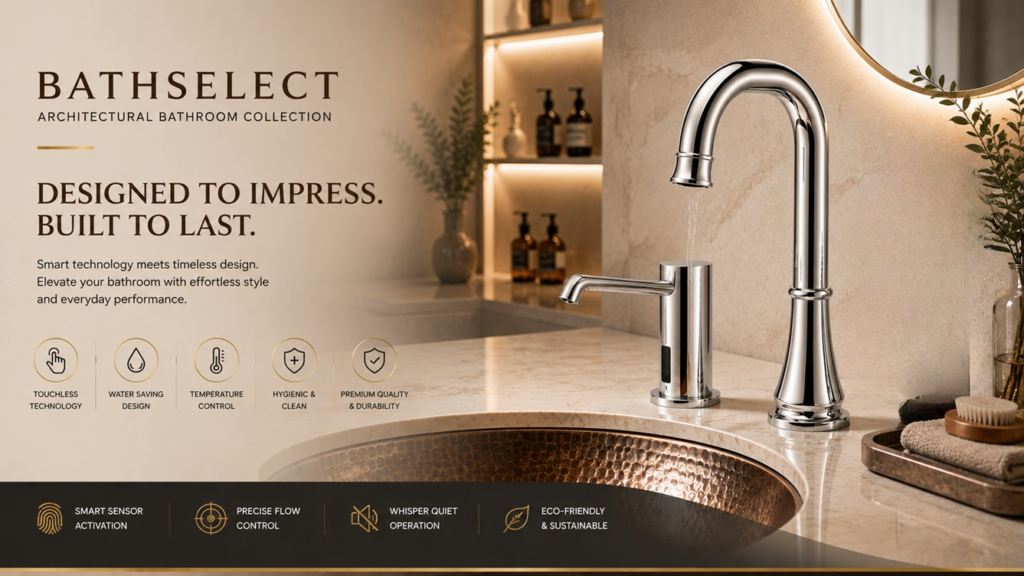

Commercial Steel Automatic Soap Dispenser
Steel automatic soap dispensers provide durable, touchless performance for high-traffic restrooms where reliability and easy maintenance are essential.
View Product