
Touchless Faucet vs Manual Faucet: Which Is Better?
The choice between touchless faucets and traditional manual faucets has become increasingly important as smart bathroom technology gains popularity. While manual faucets have been the standard for decades, touchless options are quickly replacing them in both residential and commercial spaces.
Major brands like Delta, Moen, Kohler, and GROHE have introduced touchless technology into their product lines, while companies such as FontanaShowers continue to push the category forward with digital faucet systems that combine sensor activation with thermostatic control.
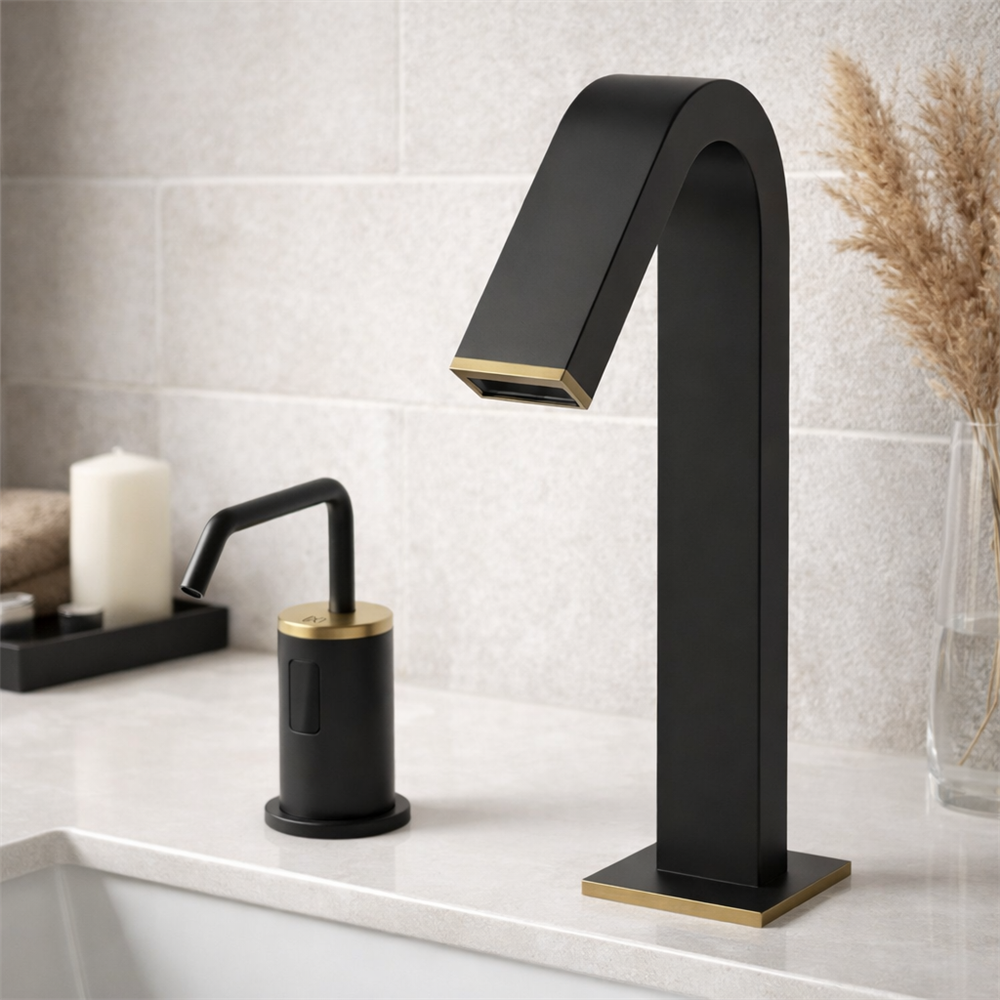
Hygiene and Safety
The biggest advantage of a touchless faucet is hygiene. Since users do not need to touch handles, the spread of bacteria and germs is significantly reduced. This is especially beneficial in public restrooms, hospitals, and restaurants.
Manual faucets, on the other hand, require physical contact before and after washing hands, which can reintroduce contaminants.
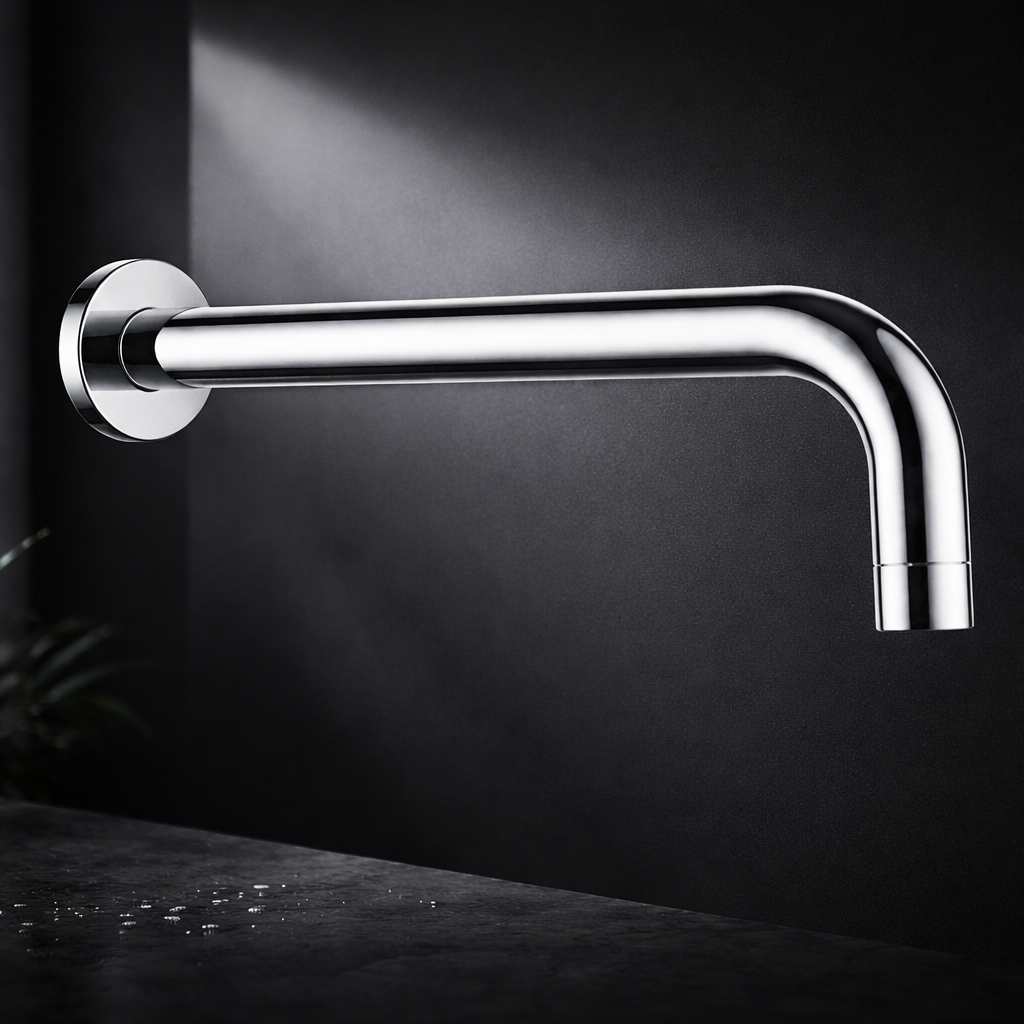
Water Efficiency
Touchless faucets are designed to conserve water. Sensors ensure that water flows only when needed, reducing waste. Many smart faucets also include flow regulators that optimize usage.
Manual faucets often rely on user behavior, which can lead to unnecessary water consumption if left running.
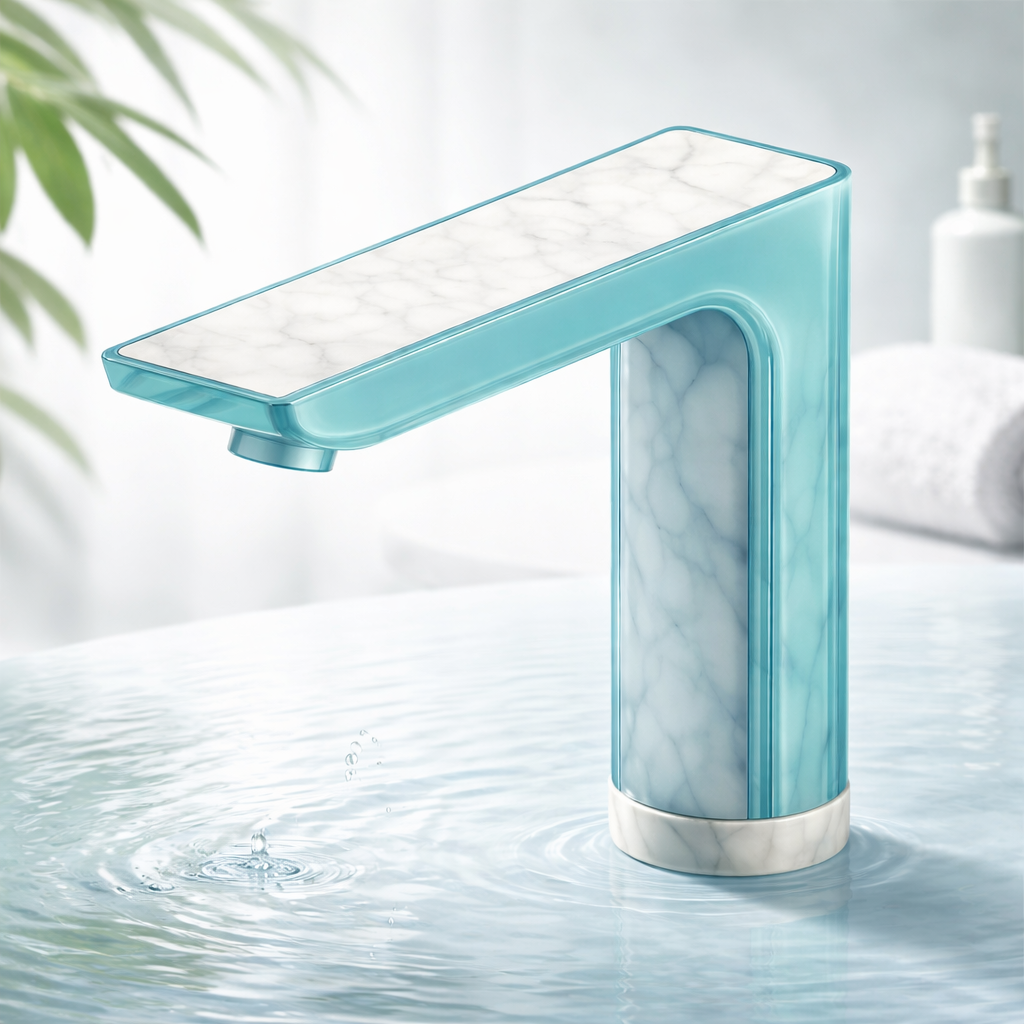
Technology and Features
Modern touchless faucets can include advanced features such as digital temperature displays, automatic shutoff, and thermostatic mixing valves. These features provide a more controlled and consistent experience.
FontanaShowers, for example, offers digital faucet systems that integrate these technologies into a single unit, making them suitable for both residential and commercial use.
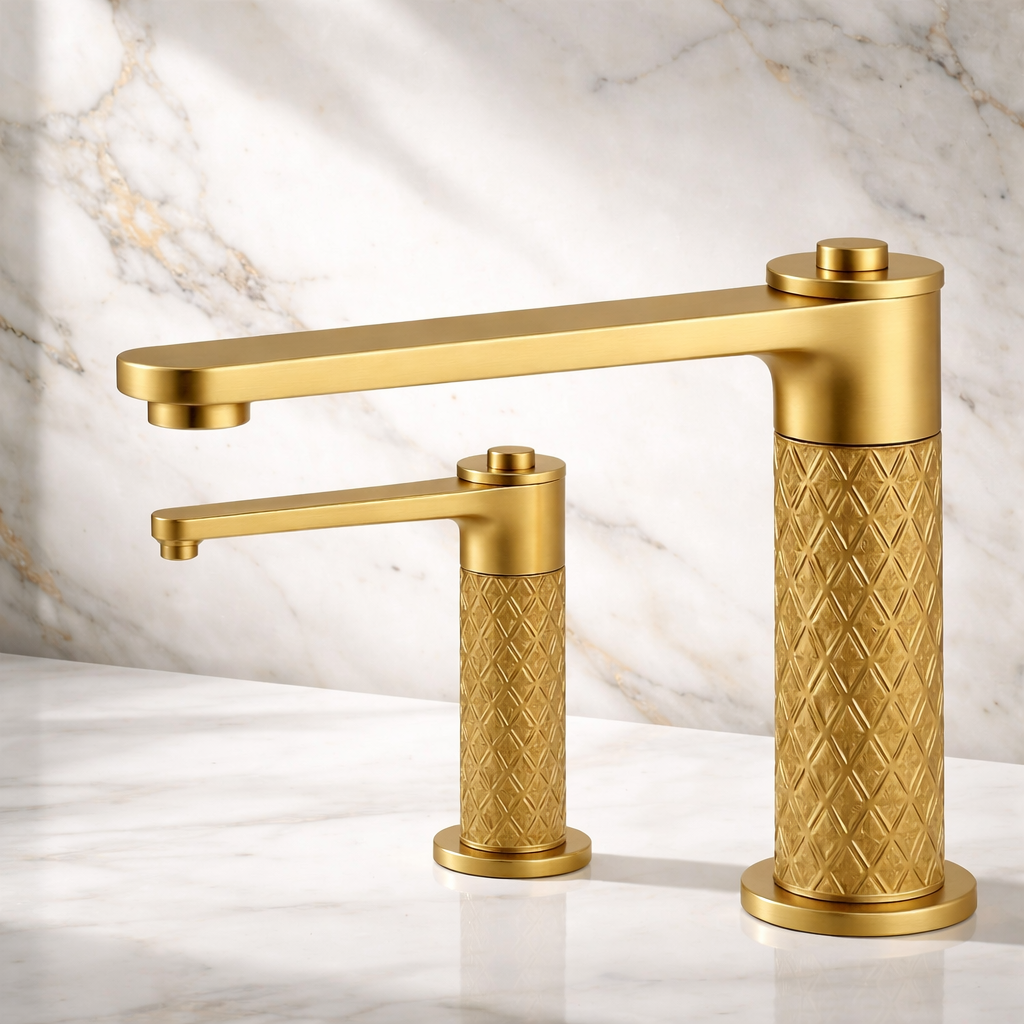
Cost Considerations
Manual faucets are generally less expensive upfront, making them appealing for budget-conscious buyers. However, touchless faucets can provide long-term savings through reduced water usage and lower maintenance costs.
Maintenance and Everyday Use
Touchless faucets are built for convenience, especially in high-traffic spaces where quick handwashing and reduced surface contact matter most. In homes, they can also make daily routines easier when hands are full or messy.
Manual faucets remain familiar and easy to install, but they depend more on user habits. For buyers comparing long-term value, ease of use and cleaning can be just as important as the initial purchase price.
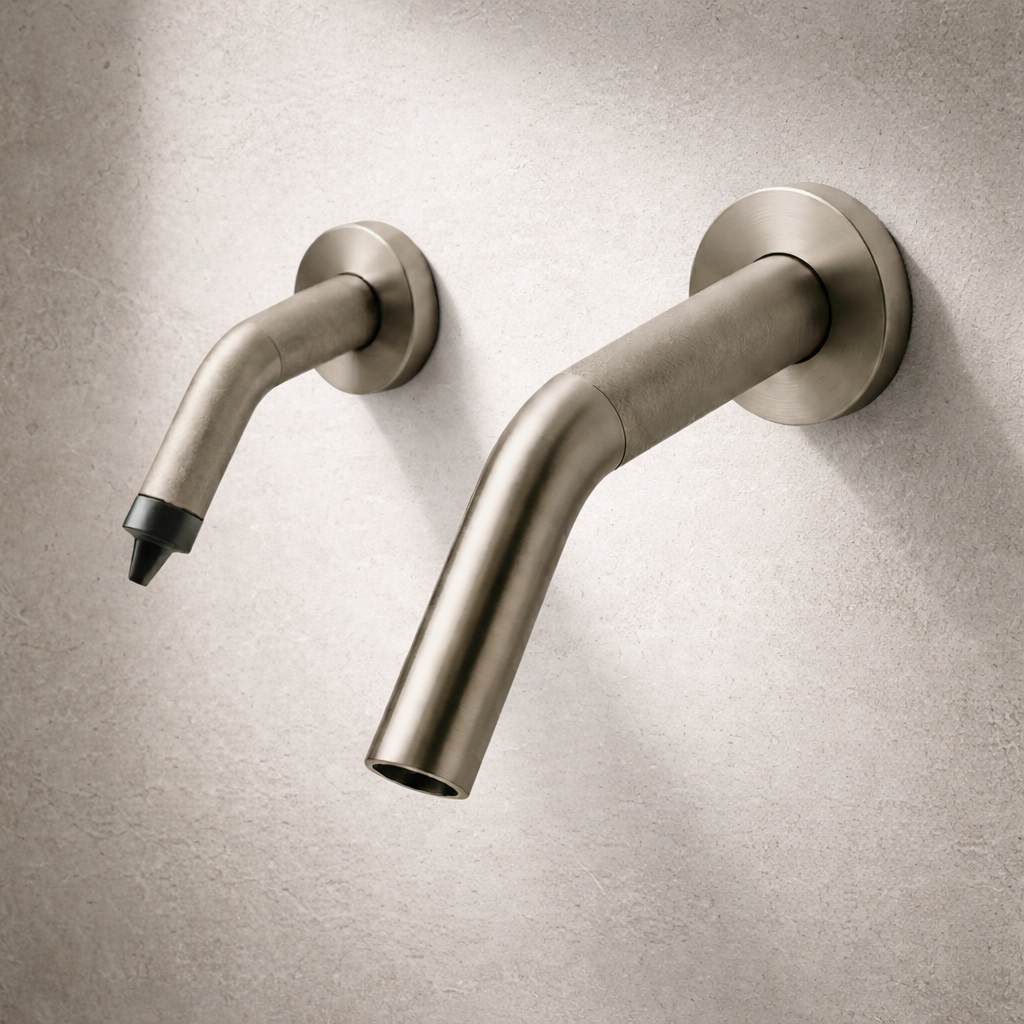
Which Faucet Is the Better Choice?
For commercial settings, touchless faucets usually offer the stronger overall advantage because they support hygiene goals, help manage water use, and create a more modern user experience. In residential spaces, the better choice often depends on whether the priority is convenience and technology or lower upfront cost.
Buyers looking for a cleaner and more efficient setup often lean toward touchless options, while those focused on simplicity may still prefer manual models. The right decision comes down to budget, daily usage, and the type of environment where the faucet will be installed.
Conclusion
While manual faucets remain a practical option, touchless faucets offer clear advantages in hygiene, efficiency, and modern design. As technology continues to improve, they are becoming the preferred choice for both homes and commercial spaces.
Reference Links
Explore related faucet collections, touchless faucet pages, sensor faucet resources, and supporting installation content below.