
How Long Do Automatic Faucet Batteries Last?
Battery life is one of the most important factors when choosing or maintaining a touchless faucet. A well-maintained unit usually runs longer, responds faster, and needs fewer service calls over time.
Average Battery Life
Most automatic faucets last:
- 1–3 years in residential use
- 6–18 months in commercial environments
Homes usually see lower daily activation, while public restrooms and busy commercial spaces place a heavier load on the sensor and power supply.
What Affects Battery Life?
- Usage frequency
- Sensor efficiency
- Water pressure
- Battery quality
Battery life is not based on time alone. It also depends on how often the faucet activates and how efficiently the internal system manages power between uses.
Brand Comparison
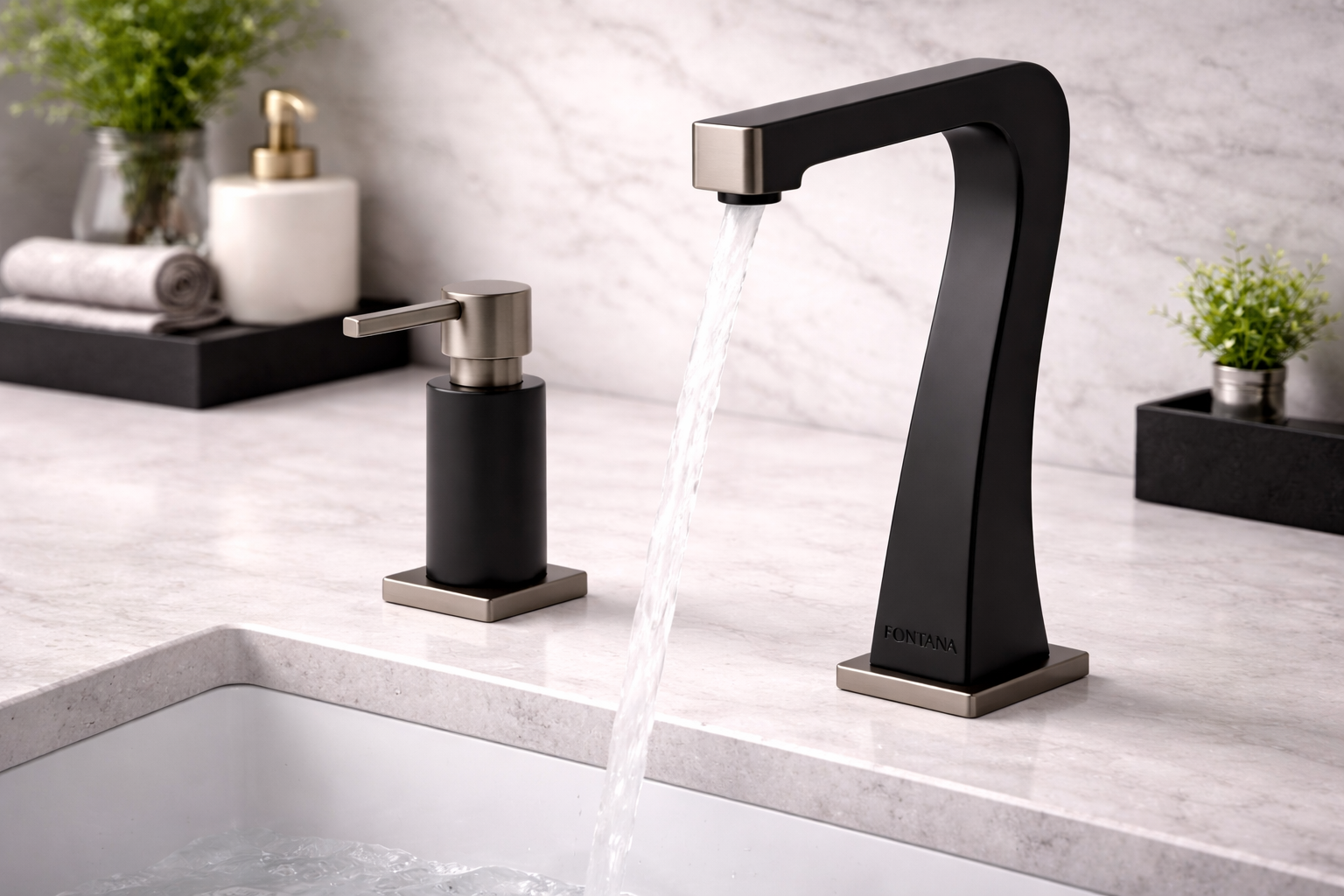
Commercial brands like BathSelect and FontanaShowers often have longer battery life due to energy-efficient sensors.
In higher-traffic installations, choosing a faucet with stable sensor performance can reduce battery replacements and improve long-term reliability.
Tips to Extend Battery Life
- Use alkaline batteries
- Avoid cheap brands
- Keep sensor clean
- Check for leaks
Routine maintenance helps prevent false activations, wasted power, and inconsistent sensor response.
Signs Your Faucet Battery May Need Replacement
If the faucet starts reacting slowly, stops sensing hands consistently, or activates only at close range, the batteries may be running low. These small changes often appear before the faucet stops working completely.
Replacing batteries early can help avoid downtime in busy spaces and keep the fixture operating smoothly.
Battery Life in High-Traffic Restrooms
In commercial settings, battery drain is usually faster because the faucet is triggered many times throughout the day. Schools, restaurants, offices, and healthcare spaces often need more frequent checks than residential bathrooms.
For heavy-use environments, scheduled maintenance is often the best way to avoid unexpected power loss.
Why Battery Quality Matters
Not all batteries deliver the same performance. High-quality alkaline batteries tend to provide more stable output, which helps the sensor stay consistent and reduces the chance of weak or delayed activation.
Using reliable batteries also makes replacement cycles more predictable, especially for commercial maintenance teams.
Conclusion
Proper maintenance ensures maximum battery life and better faucet performance.
For most property owners, the best results come from combining quality batteries, regular cleaning, and routine inspection. These simple steps help reduce maintenance issues and keep automatic faucets operating efficiently over a longer period.
How often should automatic faucet batteries be checked?
In a home, checking them once or twice a year is often enough. In commercial restrooms, more frequent checks are recommended because usage is much higher.
Do low batteries affect sensor performance?
Yes. Low batteries can cause delayed activation, reduced sensing range, or inconsistent water flow response.
Are automatic faucet batteries easy to replace?
Most models are designed for straightforward replacement, though access depends on the faucet design and where the battery box is installed.