
Introduction
Sustainable objectives and goals have also started to shape commercial toilet designs. Though toilets draw the major attention regarding water savings, other faucets in the toilet area also contribute significantly to overall sustainable goals of buildings. Architects, engineers, and facility managers need to be aware of commercial toilet faucet contributions concerning sustainable goals of LEED certification and green building programs.
This article offers a performance-based and systemic presentation consistent with the aims of the website commercialtoiletfaucets.com, addressing architectural and engineering community members engaged with sustainable designs for the restroom.
Why Faucets Matter in Green Building Strategies
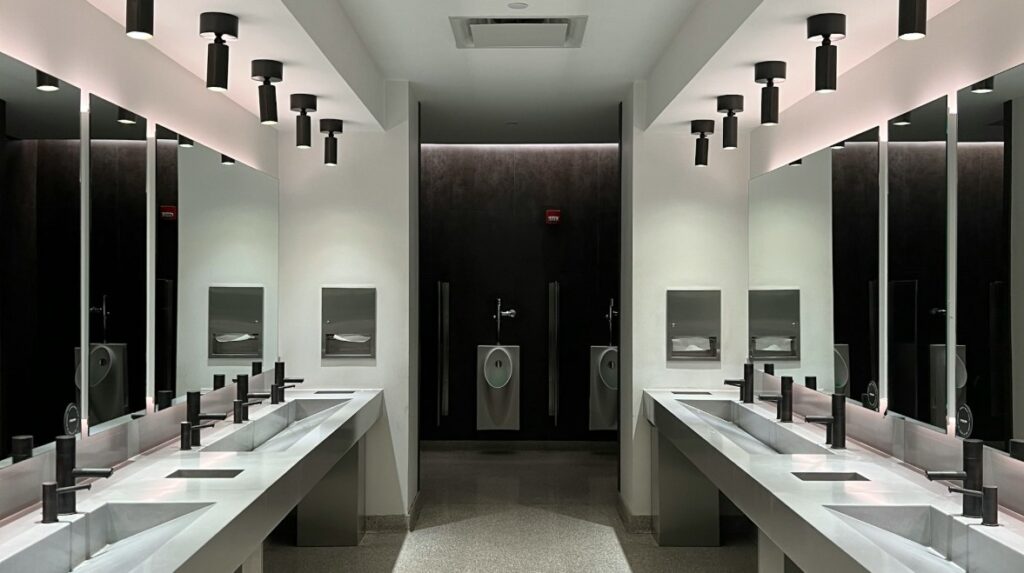
Even though singular faucet activations use relatively small volumes of fluid, however the collective usage across high-traffic commercial washrooms becomes significant. Hence, green building frameworks evaluate faucets as part of a broader indoor water-use strategy instead of isolated fixtures.
- Contribution to indoor water-use reduction
- Impact on hot water energy demand
- Influence on user behavior and run time
- Operational efficiency over the building lifecycle
- Integration with broader plumbing systems
When these factors are coordinated, faucet performance therefore, supports sustainability goals at the building scale.
LEED Water Efficiency and Faucet Performance

LEED’s Water Efficiency category focuses on reducing potable water use through coordinated fixture performance and system design. Commercial washroom faucets usually contribute to Indoor Water Use Reduction credits under this framework.
A lot of the LEED strategies rely upon low-flow performance, metered or sensor-based activation, and proper baseline-to-design-case calculations. However, meeting a numerical flow limit only does not guarantee fluid savings if reduced flow compromises usage.
- Low-flow performance aligned with LEED baselines
- Metered or sensor-controlled activation
- Accurate documentation for credit calculations
- Usability that prevents extended activation times
Sensor-Operated Faucets and Water Reduction
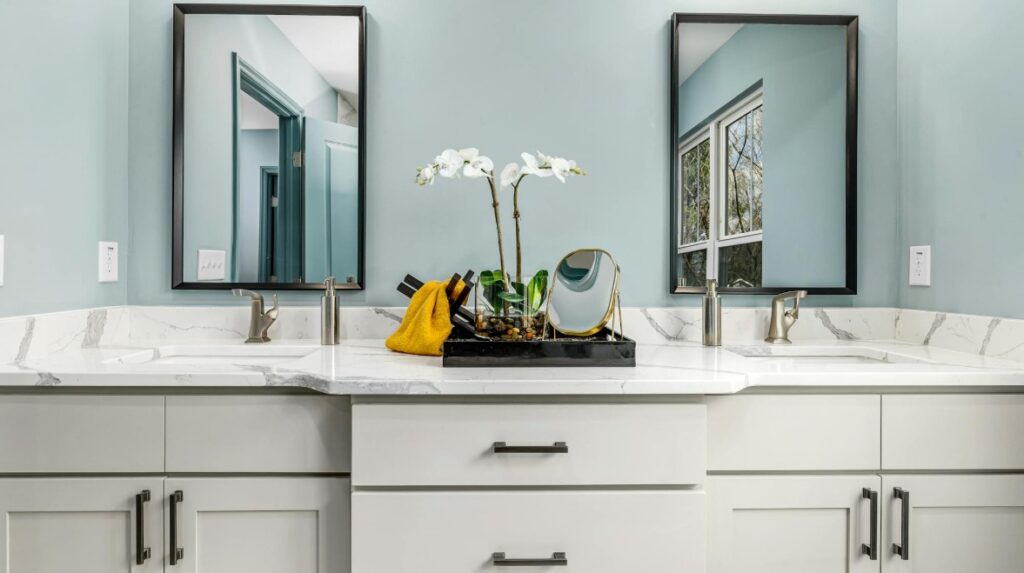
Faucets operated by sensors often support sustainability goals by limiting run time and preventing unattended flow. In public washrooms with non predictable user behavior, this can notably reduce water waste.
As a result, the sensor effectiveness depends on correct placement, calibration, and coordination with basin geometry. Poorly aligned sensors may trigger unnecessarily or fail to activate promptly, undermining projected savings.
Touchless faucet system categories can be reviewed at FontanaShowers Commercial Sensor Faucets and JunoShowers Commercial Sensor Faucets. General technical background is available at Automatic Faucet.
Flow Rate Selection and User Behavior
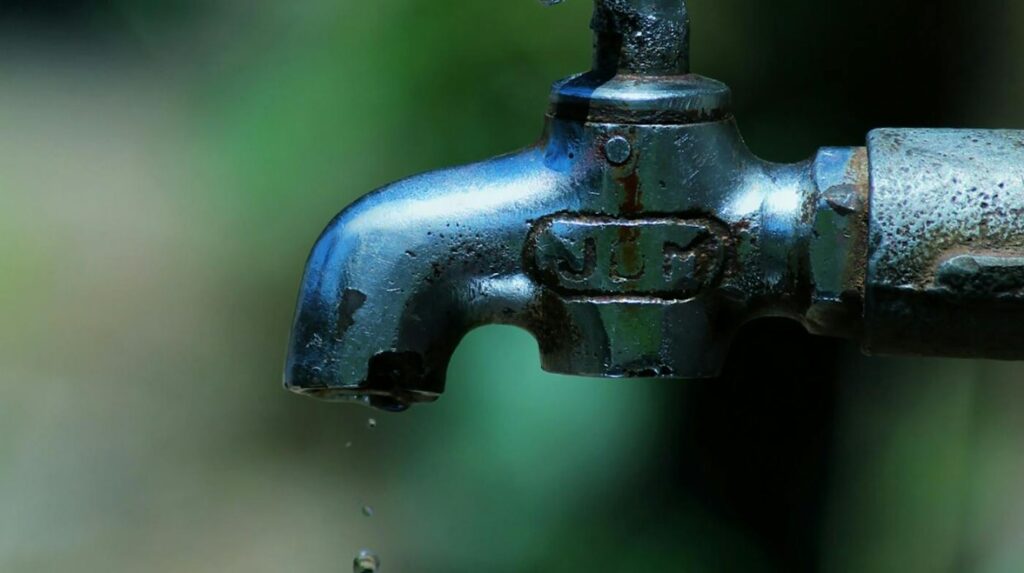
While low flow rates support green building targets, user behavior ultimately determines actual water savings. When water delivery feels insufficient, users may usually compensate by extending time of activation.
- Coordination between flow rate and spout geometry
- Outlet type influencing perceived performance
- Basin depth and splash control
- Efficient task completion without frustration
The balance of the regulation fluid flow limits with inherent performance ensuring that the modeled reductions comes in line with real-world usage.
Materials, Durability, and Lifecycle Sustainability
Sustainability extends beyond operational fluid savings. Material durability and lifecycle performance extensively affect long-term environmental impact.
- Lead-free brass or stainless-steel construction
- Sealed electronic components in sensor faucets
- High-cycle cartridges and solenoid valves
- Finishes compatible with frequent cleaning protocols
Durable fixtures minimizes replacement frequency, material waste, and maintenance-related disruptions, while supporting broader sustainability related objectives.
Material and compliance documentation are available for the reviewed at FontanaShowers Faucets Materials and Compliance.
Integration with Broader Green Building Systems
Commercial faucets operate within larger plumbing and energy systems. Hot water demand, recycling strategies, and pipe routing all puts an impact on the energy levels that is needed to deliver water.
Coordination of the faucet selection with warm water system design and washroom layouts make sure that fixture-level efficiency transitions into measurable building-level of performance.
Documentation and LEED Submittals
LEED certification depends very much on verified documentations. Even high-performing fixtures cannot contribute to credits without accurate data.
- Cut sheets clearly stating flow rates
- Sensor operation supporting controlled activation
- Material compliance with health standards
- Calculations aligned with LEED methodology
Reviewing Commercial Faucet Categories for Sustainable Design
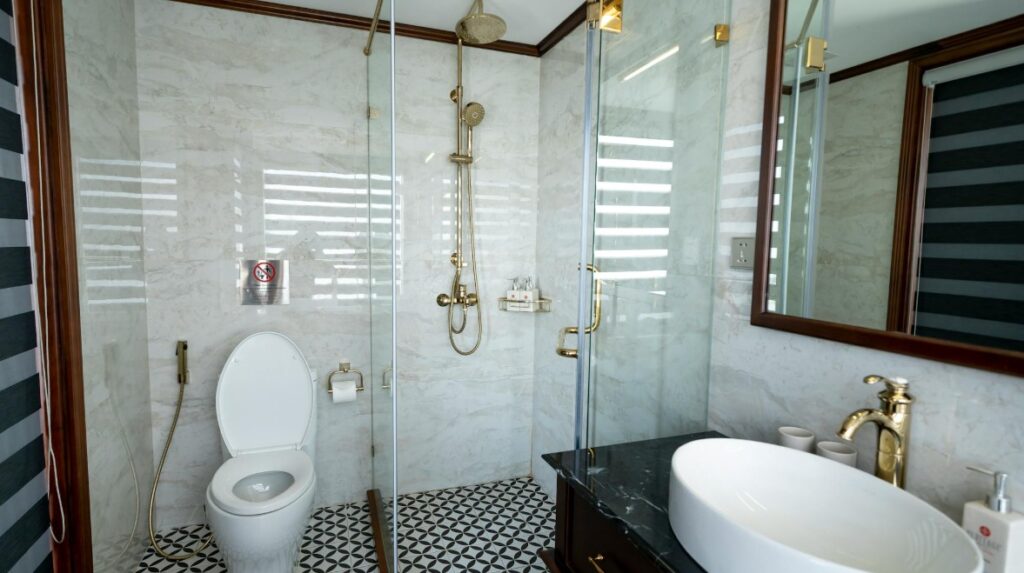
Reviewing diverse commercial faucet categories assists specifiers understand how various systems address water efficiency, durability, and integration with green building goals.
The related resources are available at commercialtoiletfaucets.com, FontanaShowers, Commercial Sensor Faucets, BathSelect, and JunoShowers.
Conclusion
LEED credible and green building practices related to the flow rate of the commercial toilet faucets exceed mere flow rate requirements. Such factors include the efficient utilization of sustainable designs.
As industry leaders consider faucet specifications as part of their overall sustainable building solution, they can facilitate and advocate for meaningful water conservation, function, and value in buildings. Hence, this building systems-oriented mindset is exactly in keeping with and reflects its overall purpose in existing and operating as commercialtoiletfaucets.com:
No responses yet